Home > News & Blog > How Much Does a Glass Tempering Furnace Cost?
Glass tempering furnaces are one of the largest investments for glass processing companies. Whether you are starting a new factory or expanding production capacity, understanding the cost of a glass tempering furnace can help you make a better purchasing decision.
The price of a tempering furnace varies significantly depending on furnace size, production capacity, technology, automation level, and application requirements. In this guide, we explain the main factors that affect pricing and what buyers should consider before investing.
A glass tempering furnace typically costs between USD 100,000 and USD 2,000,000+.
| Furnace Type | Estimated Price Range |
|---|---|
| Small Glass Tempering Furnace | $100,000 - $300,000 |
| Standard Flat Glass Tempering Furnace | $300,000 - $800,000 |
| Convection Tempering Furnace | $500,000 - $1,500,000 |
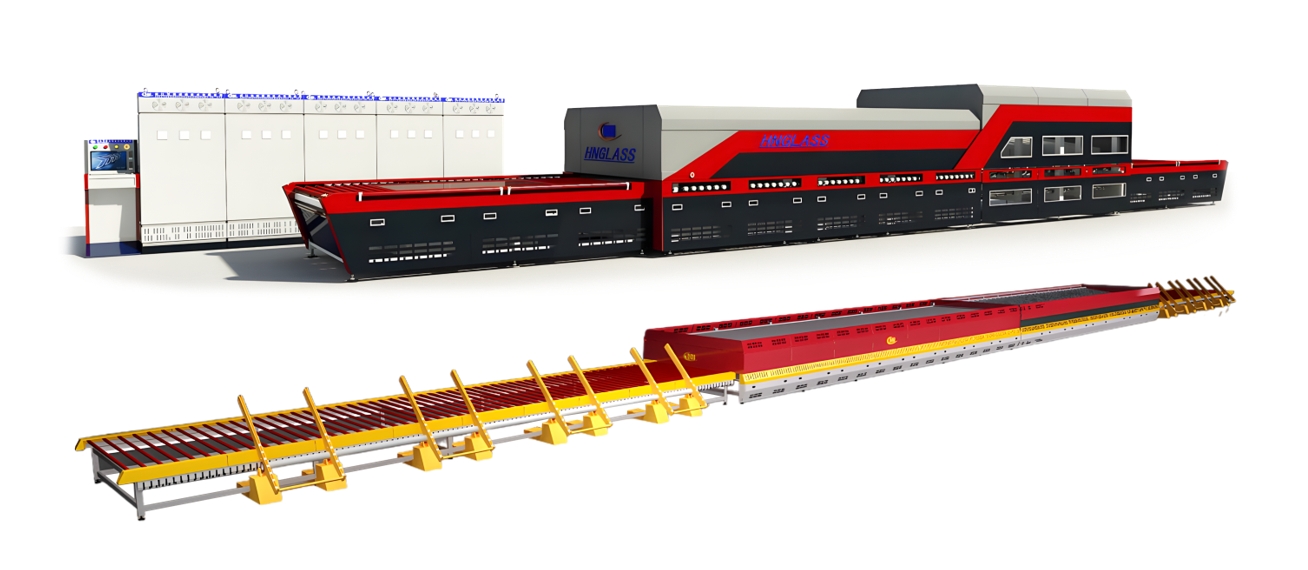
| Continuous Tempering Line | $1,000,000 - $2,000,000+ |
| Customized Tempering Solution | Depends on specifications |
The final price depends on the furnace configuration, glass size, automation features, and production requirements.

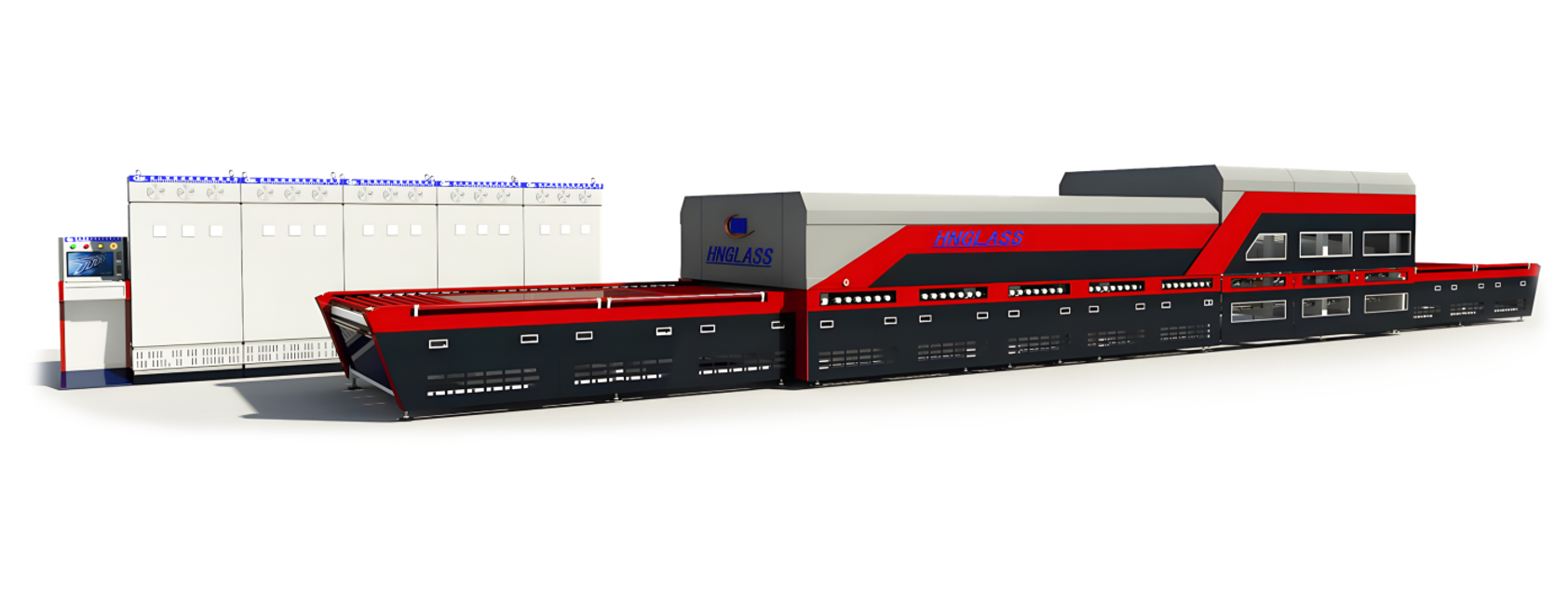
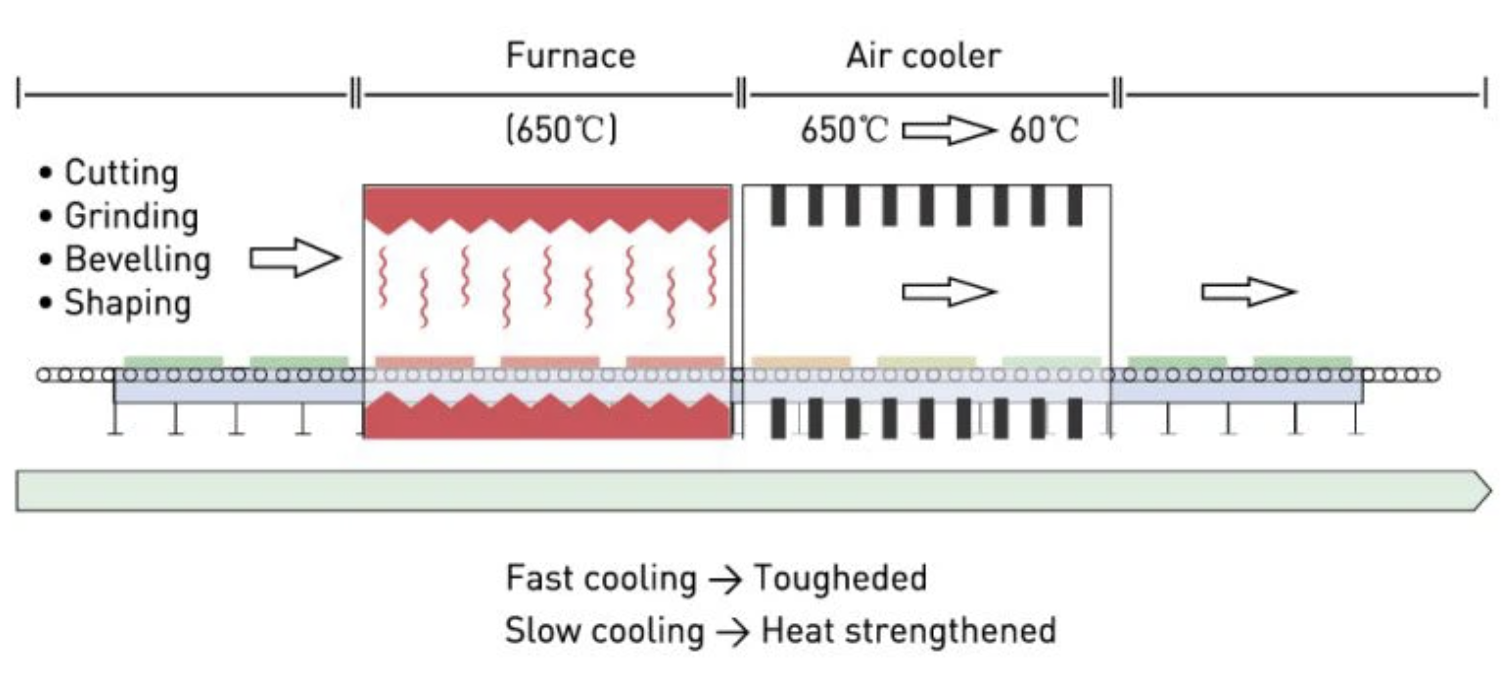
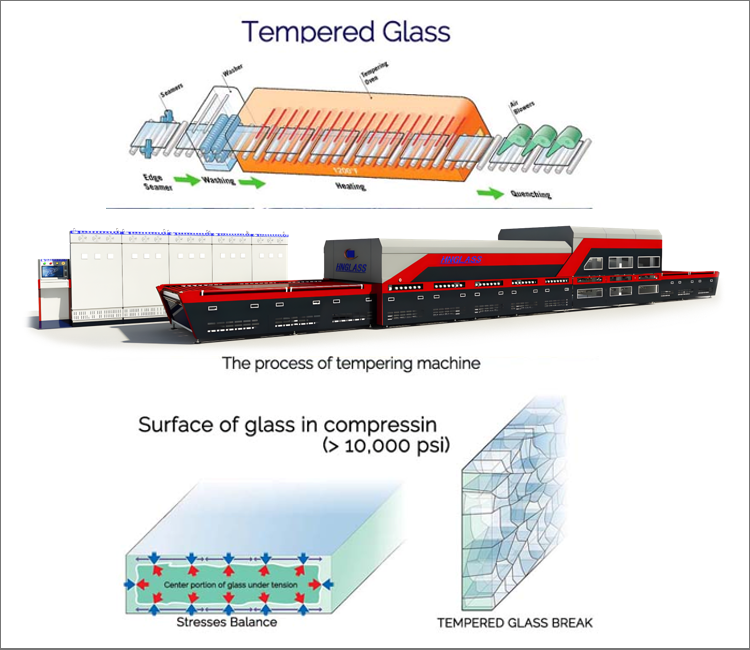
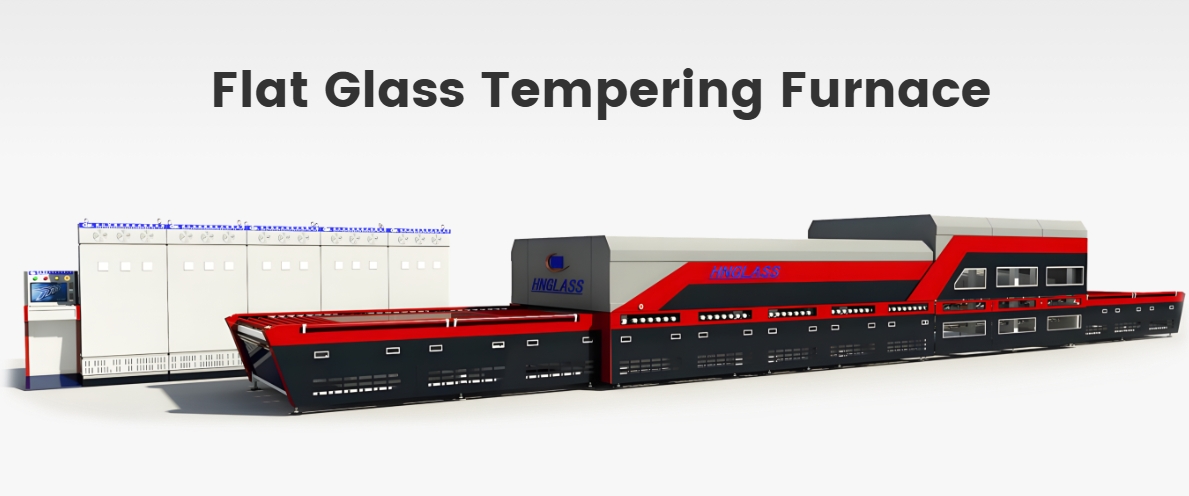
A glass tempering furnace is industrial equipment used to produce tempered glass through a controlled process of heating and cooling.
The glass is heated to approximately 620°C–700°C and then rapidly cooled using high-pressure air. This process increases the strength of the glass and improves its safety performance.
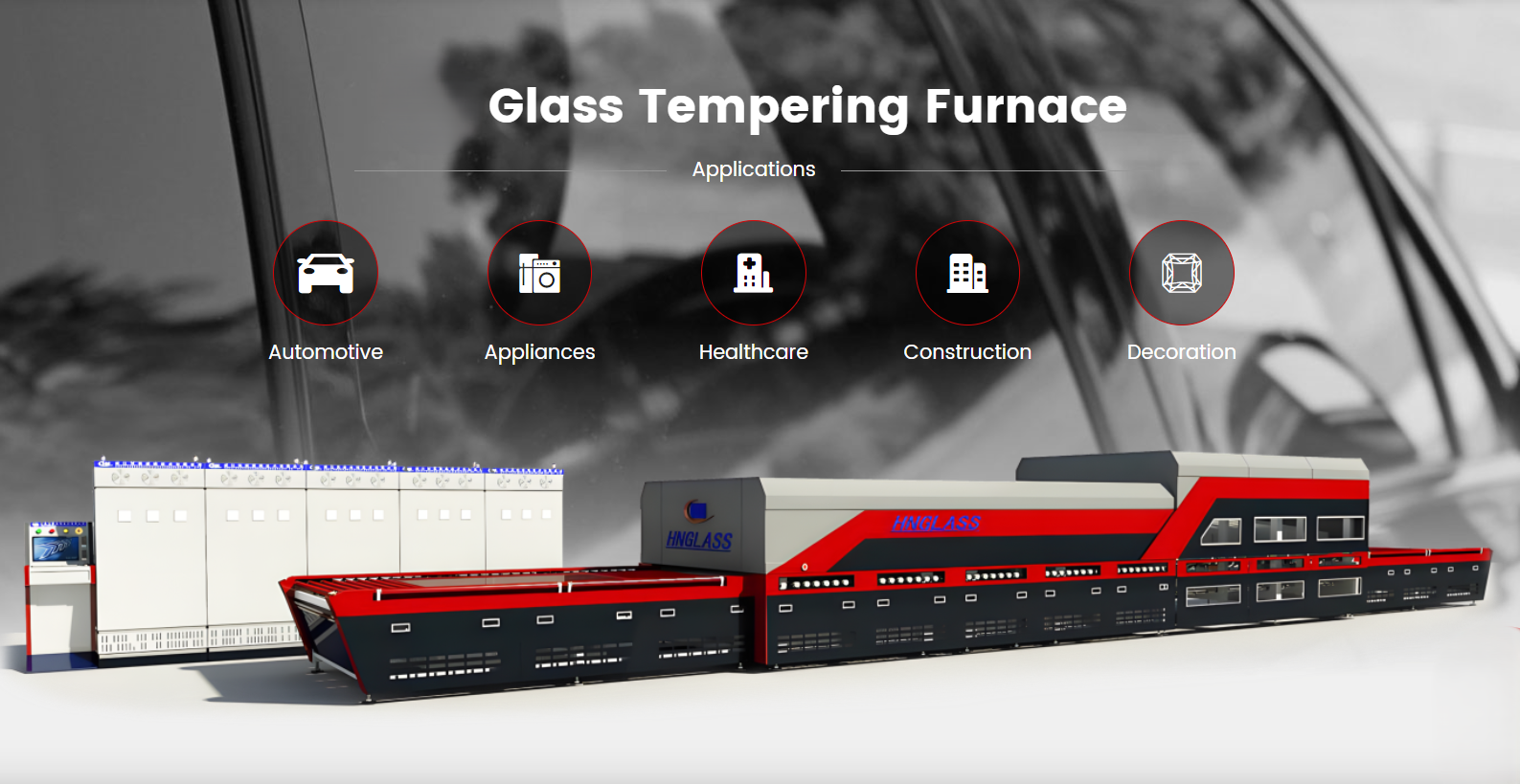
Tempered glass is widely used in:
The maximum glass size has a direct impact on furnace cost.
For example:
| Glass Size | Typical Investment |
| 2440 × 3660 mm | Lower |
| 2440 × 4200 mm | Medium |
| 3300 × 6000 mm | Higher |
| Jumbo Glass Size | Highest |
Larger furnaces require more heating elements, stronger structures, and larger cooling sections.
Different tempering technologies result in different price levels.
Suitable for standard clear glass production.
Advantages:
Suitable for Low-E glass and high-quality architectural glass.
Advantages:
Convection systems generally cost more than traditional radiation systems.
The control system is one of the most important components of modern tempering machines.
Advanced automation features may include:
A modern control system can improve production efficiency and reduce operator dependence, but it also increases equipment costs.
Higher productivity usually requires:
Factories producing large volumes of tempered glass often choose high-capacity furnaces that can process more glass per hour.
The quality of heating and cooling directly affects glass performance.
Modern furnaces use optimized airflow designs and precise temperature control to achieve:
Premium heating and cooling systems generally increase the overall equipment investment but can improve long-term production performance.
Many glass processors require customized solutions, including:
Customized equipment is typically more expensive than standard models.
When budgeting for a tempering furnace, buyers should also consider:
Professional installation helps ensure smooth startup and stable operation.
Training improves equipment utilization and production consistency.
Regular maintenance can help maintain furnace performance over time.
Not always.
The best furnace is not necessarily the most expensive one. Buyers should focus on:
A furnace that matches actual production requirements often delivers a better return on investment than an oversized system.
Before purchasing a tempering furnace, ask the following questions:
Clear answers to these questions can help narrow down suitable equipment options.
A high-quality tempering furnace can provide:
Choosing an experienced manufacturer can also improve after-sales support and technical assistance.
Small tempering furnaces typically cost between $100,000 and $300,000 depending on configuration and glass size.
Convection systems provide improved temperature uniformity and are suitable for Low-E glass processing, requiring more advanced technology and components.
The main factors include glass size, production capacity, control system configuration, heating and cooling technology, and automation level.
With proper maintenance, a high-quality tempering furnace can operate for 15 to 20 years or more.
Yes. Most modern tempering machines can process various glass thicknesses by adjusting furnace parameters and production settings.
Yes. Continuous tempering lines typically require higher investment because they are designed for large-scale production and higher throughput.
The cost of a glass tempering furnace can range from $100,000 to more than $2 million, depending on furnace type, production capacity, automation level, and application requirements.
Before making a purchase decision, manufacturers should evaluate production goals, glass specifications, factory conditions, and future growth plans. Selecting the right tempering furnace can improve efficiency, product quality, and long-term profitability.