Home > News & Blog > What Is a Convection Glass Tempering Furnace?
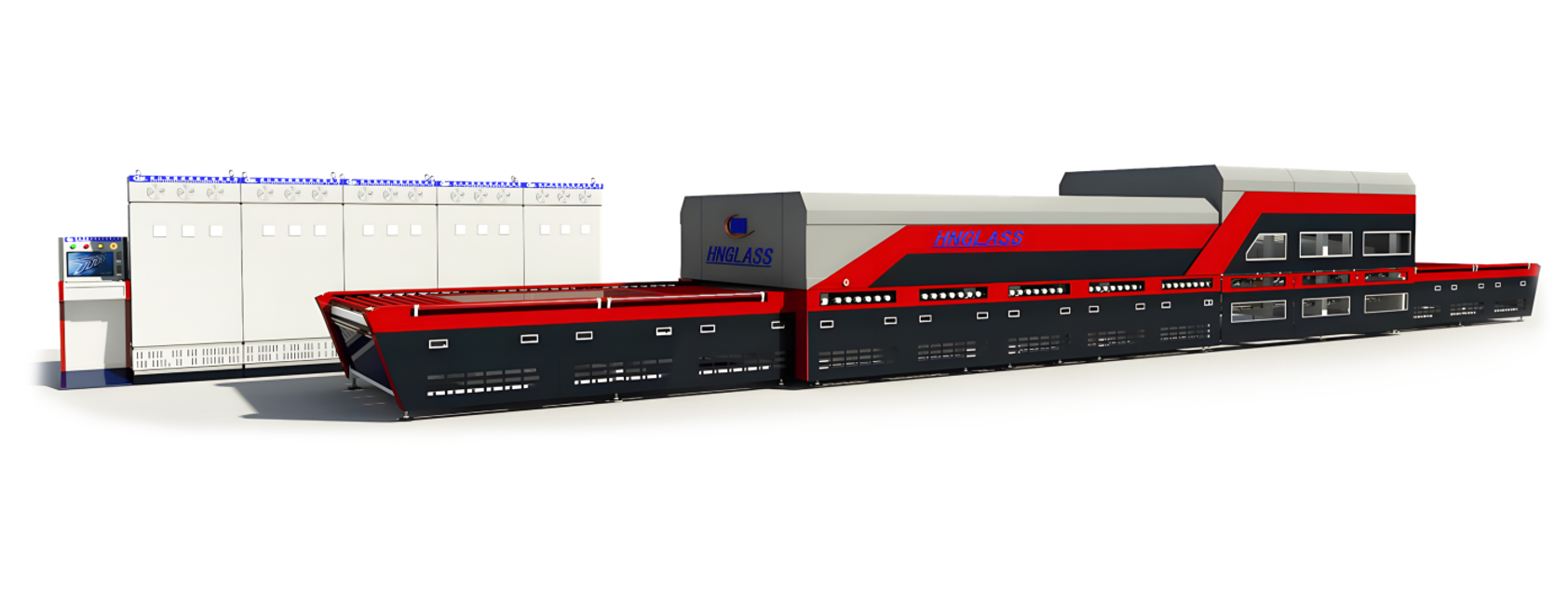
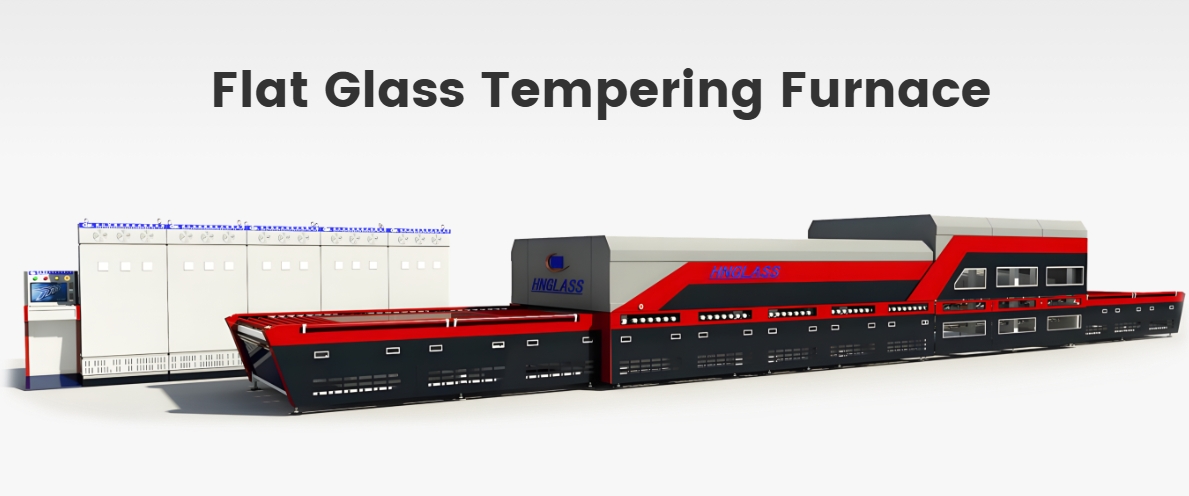
A convection glass tempering furnace is a type of glass tempering furnace that uses heated air circulation to improve heat transfer during the tempering process. Compared with traditional radiation furnaces, convection technology provides more uniform heating, making it especially suitable for Low-E glass, coated glass, and high-performance architectural glass.
As the demand for high-quality tempered glass continues to grow, convection tempering technology has become a preferred choice for many glass processors worldwide.

In a standard glass tempering furnace, heat is mainly transferred to the glass through radiation from heating elements. While this method works well for clear glass, it may not provide consistent heating for certain coated glass products.
A convection furnace adds a hot-air circulation system above and below the glass surface. Heated air is blown onto the glass, helping the entire sheet reach the required temperature more evenly.
The process generally includes:
This technology helps improve production quality while reducing heating inconsistencies.
The working principle is relatively straightforward.
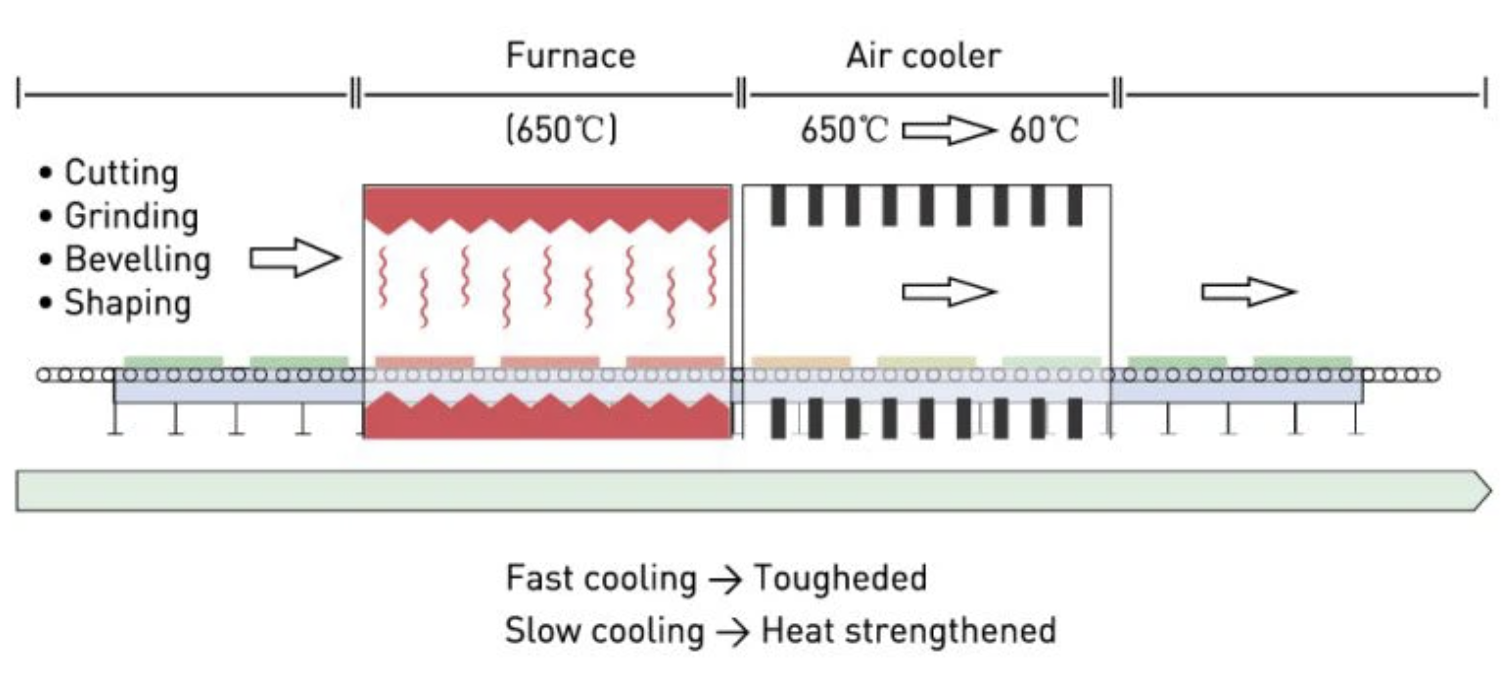
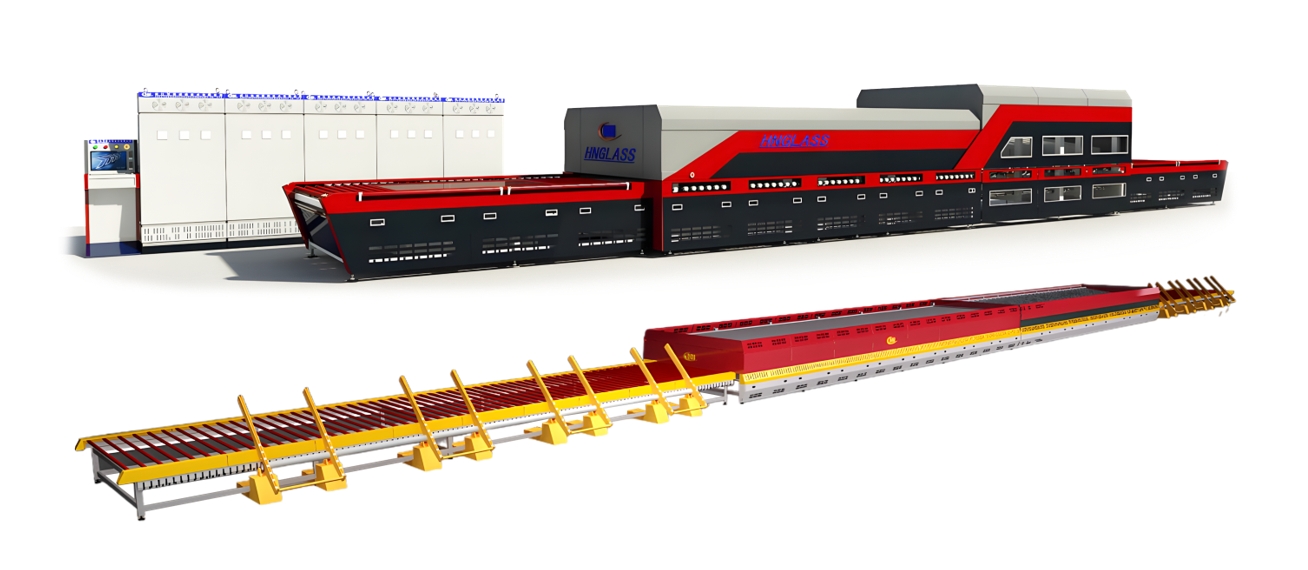
Glass sheets are placed on ceramic rollers and transported into the heating chamber.
The furnace uses:
The combination of radiation and hot-air convection allows heat to penetrate the glass more evenly.
Advanced temperature control systems continuously monitor the heating process.
The system adjusts:
This helps maintain consistent processing conditions.
After reaching the required temperature, the glass enters the quenching section.
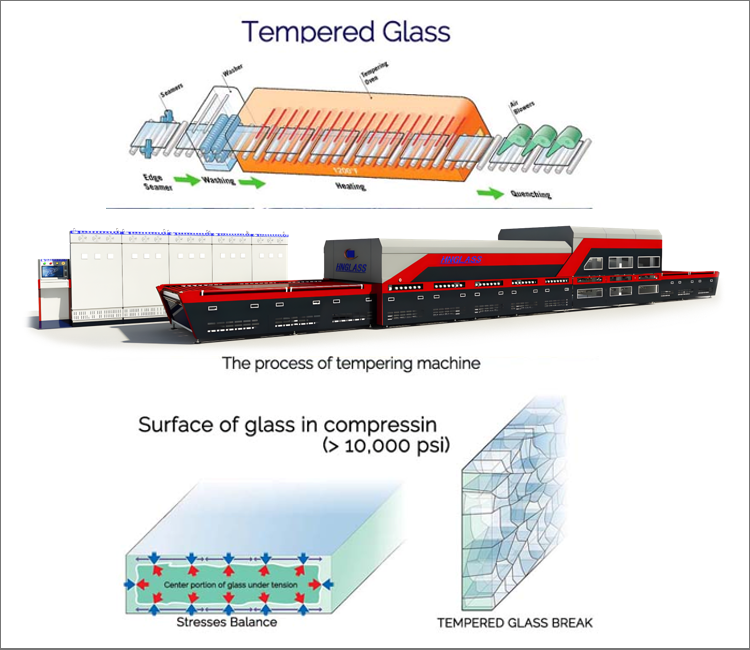
High-pressure air cools both surfaces simultaneously, creating compressive stress and producing tempered glass.
Low-E glass contains special coatings designed to improve energy efficiency.
These coatings reflect heat and sunlight but also reduce the amount of radiant energy absorbed during heating.
Traditional radiation furnaces may experience:
A convection glass tempering furnace solves these issues by delivering heated air directly to the glass surface.
This allows coated glass to reach the target temperature more effectively.
Convection technology improves heat distribution across the entire glass surface.
Benefits include:
Uniform heating helps reduce:
This is particularly important for architectural glass applications.
A convection furnace can process:
This gives manufacturers greater production flexibility.
Improved heat transfer often reduces heating time and increases output.
Many glass processors choose convection systems when expanding production capacity.
Modern convection systems use intelligent temperature control technologies to manage heating parameters with greater accuracy.
Stable furnace temperatures contribute to consistent product quality.
| Feature | Convection Furnace | Radiation Furnace |
|---|---|---|
| Heating Method | Radiation + Hot Air | Radiation Only |
| Low-E Glass Processing | Excellent | Limited |
| Heating Uniformity | Better | Standard |
| Optical Quality | Better | Good |
| Production Flexibility | Higher | Lower |
| Initial Investment | Higher | Lower |
For processors producing high volumes of coated glass, a convection system often provides better long-term value.
Convection furnaces are commonly used in:
Solar panel manufacturing requires high-quality glass with consistent flatness and strength.
Used for:
Provides the energy required to heat the glass.
Distributes heated air across the glass surface.
Monitors and adjusts heating conditions in real time.
Moves the glass through the furnace.
Rapidly cools the glass to create the tempered structure.
When evaluating equipment, consider the following:
Determine the maximum glass dimensions needed for production.
Ensure the furnace can process all planned glass specifications.
Choose equipment that matches current and future demand.
Accurate temperature control improves product consistency and reduces defects.
Reliable after-sales support can help maintain stable production.
Industries that frequently use convection furnaces include:
These industries often require high-quality tempered glass with strict optical and performance standards.
A convection furnace uses both radiant heat and heated air circulation, while a radiation furnace relies primarily on radiant heating. Convection systems generally provide more uniform heating and better performance for coated glass.
Yes. Convection furnaces are widely used for Low-E glass because the hot-air system improves heat transfer through coated surfaces.
Yes. Convection furnaces typically have higher initial investment costs due to additional air circulation systems and advanced controls.
In many cases, improved heating uniformity helps achieve better glass flatness and optical quality.
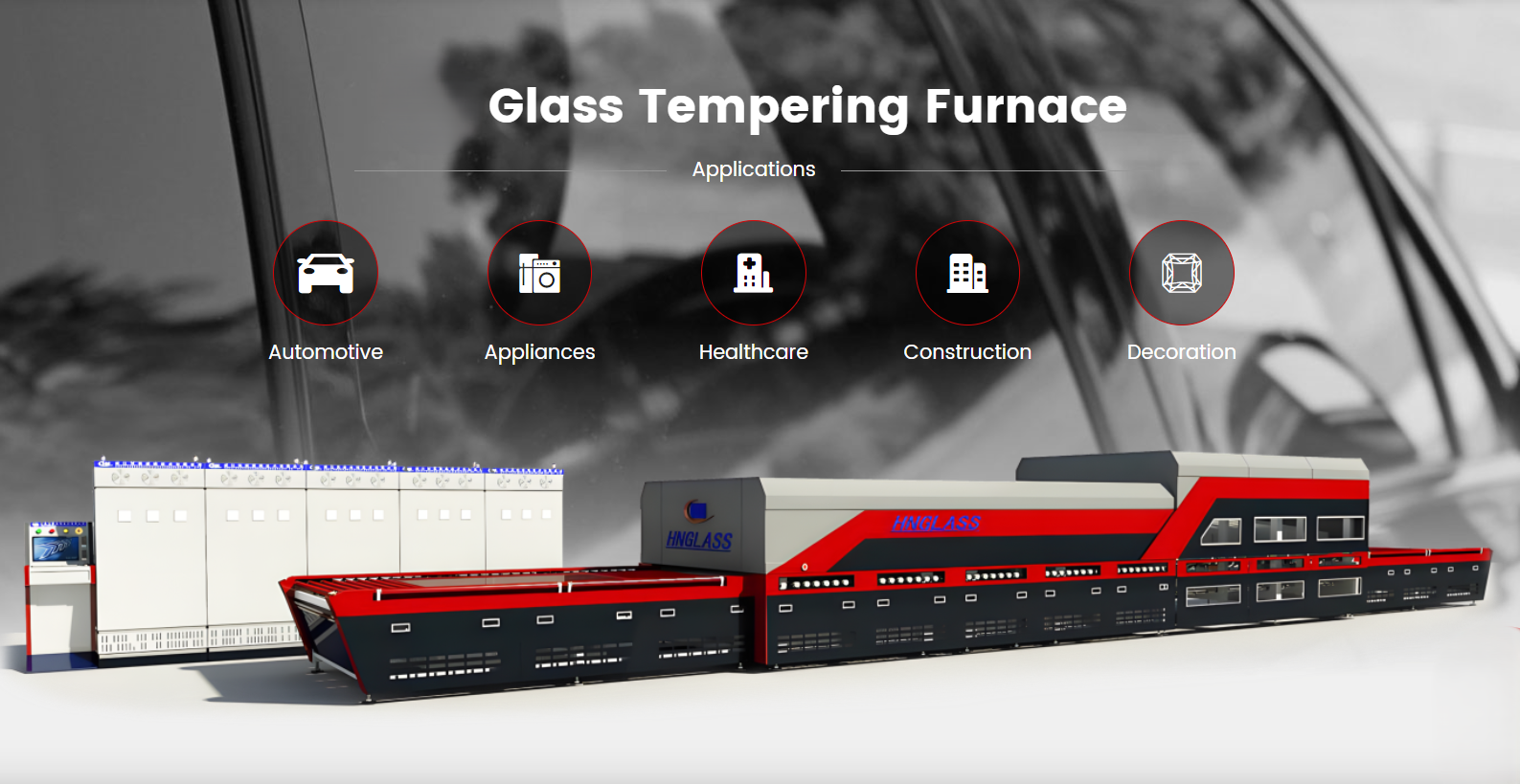
Architectural glass, solar glass, automotive glass, appliance glass, and furniture glass manufacturers commonly use convection tempering technology.
The processing time depends on glass thickness, furnace configuration, and production settings. Modern systems are designed to optimize heating and cooling efficiency.
A convection glass tempering furnace combines radiant heating and hot-air circulation to provide more uniform heating and improved temperature control. This technology is especially suitable for Low-E glass, coated glass, and other high-performance glass products.
For manufacturers seeking higher product quality, better glass flatness, and greater production flexibility, a convection tempering furnace offers an effective solution for modern tempered glass production.